In at least five brands, I have moved email from roughly 15% of total revenue into the 30% range. I audit your Klaviyo account, find where the money is leaking, and rebuild the flows and segmentation myself. Shopify and DTC brands, US and Canada.

In my experience, established Shopify brands with a well-run Klaviyo program usually get 20% to 30% of total revenue from email, and some go higher. If you are under 15%, there is almost always money sitting in missing flows, weak segmentation, or campaigns sent to everyone.
The usual gaps are the same: no browse abandonment, a welcome series that is one discount email, no post-purchase or replenishment flow, discounts handed out too early, and no engaged-first sending. Fixing those is how I have taken email from about 15% to the 30% range in at least five brands.
Most of the money is in a handful of places. I go there first.
Flows, segments, timing, discounts, deliverability and attribution, ranked by how much revenue each fix is likely to unlock.
Welcome, browse abandonment, cart and checkout abandonment, post-purchase, replenishment and win-back, written and timed for your product.
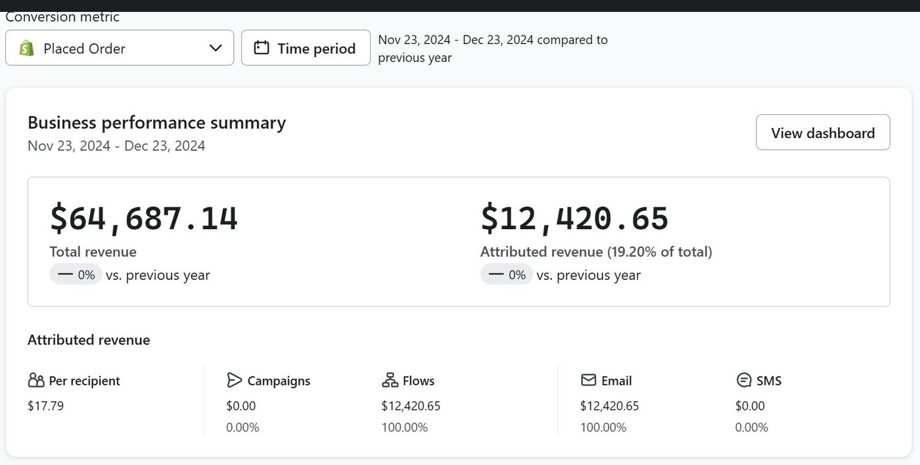
$12,420 from flows in 30 daysEngaged-first sending, sunset rules and list hygiene, so campaigns land in the inbox and do not burn your list.
Campaigns built around launches, seasons and real customer segments, not one blast to everyone.
Custom-designed emails that stay editable in Klaviyo's drag-and-drop editor, so your team is never stuck.
Repeat purchase, AOV and lifetime value tracked alongside email revenue share.
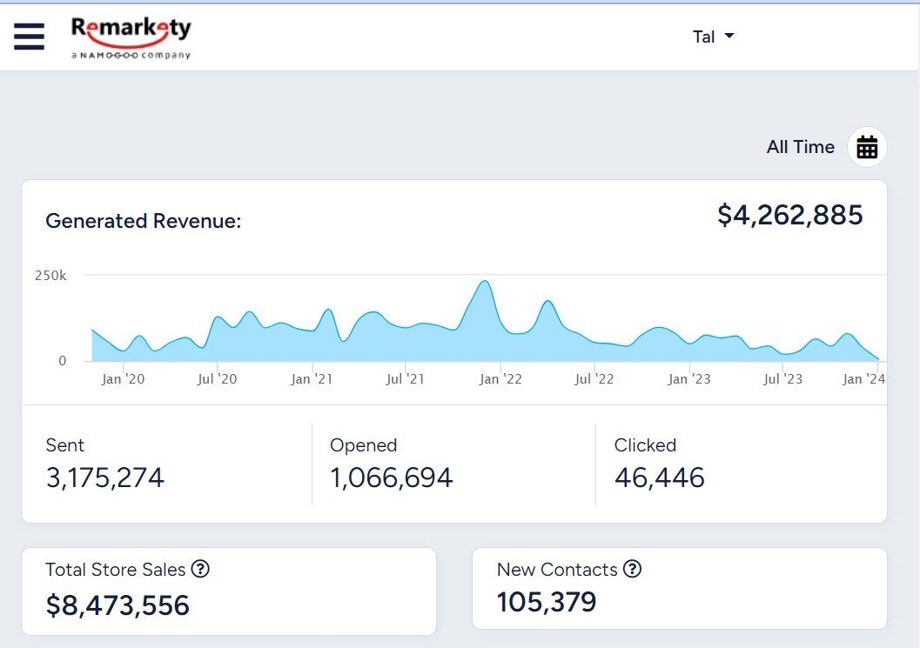
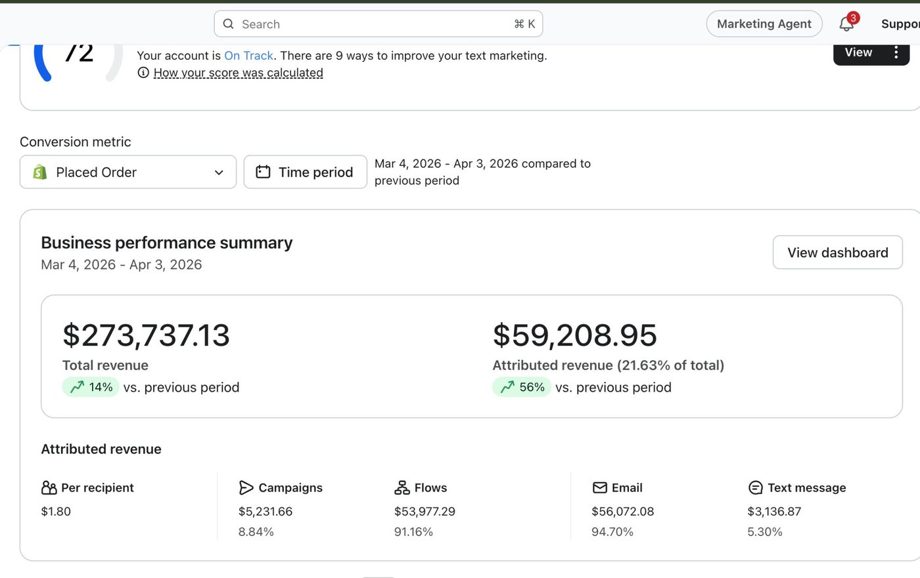
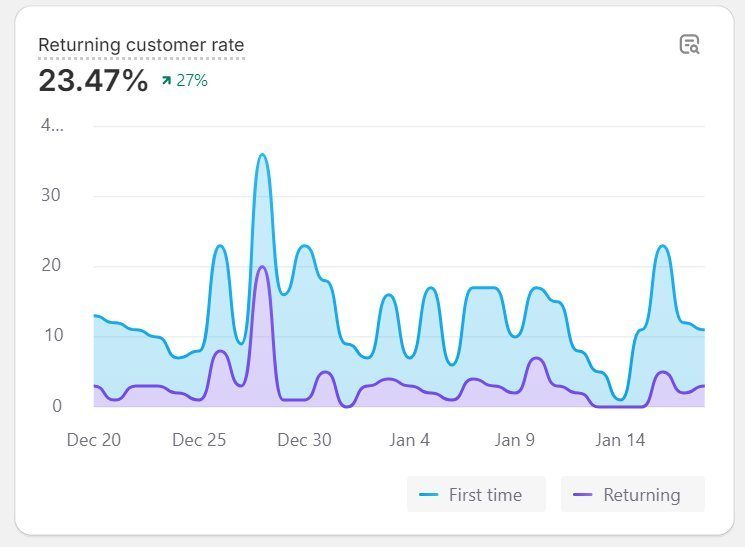
17% → 23.47% returning customersActual dashboards from brands I have run. Nothing here is a template or a stock number.


Sixty minutes, live in your account. You see the biggest gaps right away.
Every flow, segment and campaign checked, with a ranked fix list.
I rebuild the highest-revenue flows first, then tighten segmentation and the campaign calendar.
One monthly view: email revenue, share of total and repeat purchase rate.

I have run Klaviyo for my own stores for years, including Brillianteers and Hoodie Lab, and rebuilt it for client brands across jewelry, apparel and medical. In at least five of them, email went from about 15% of revenue to the 30% range.
“Tal is an expert in his field, with an analytical, data-driven approach and industry awareness that sets him apart. After years of poor results with various ad agencies, Tal has been a breath of fresh air. His experience running his own e-commerce brands gives him a unique appreciation for the macro aspects of online business, which is hard to find elsewhere (trust me, we have tried!). If you need a dedicated eCommerce expert with in-depth digital marketing knowledge, Tal is your man.”
“Tal is fantastic. Knowledgeable, helpful and very to the point. I have learned a lot during our coaching sessions that I believe will genuinely set us up for success across email marketing, as well as Meta and Google ads. Tal has always been willing to answer questions outside of our sessions and offer extra support during difficult times for sales. I'd recommend Tal to anyone looking for a seasoned professional who genuinely cares.”
“We had the pleasure of working with Tal to launch and test our Meta ad campaigns, and the results have been outstanding. From the moment he joined, it was clear we were working with a true expert in eCommerce marketing. He conducted a thorough audit, refined our targeting, optimized creatives, and structured our campaigns for maximum efficiency — measurable improvements while keeping our media budget stable. If you're looking for a consultant who genuinely cares about your business and delivers real results, Tal is the person to hire.”
What founders usually want to know before hiring help.
For established brands with a solid Klaviyo setup, 20% to 30% of total revenue is a realistic range in my experience, and some brands go higher. Under 15% usually means flows are missing or underperforming. I have moved several brands from about 15% into the 30% range.
An audit-only engagement is a fixed scope, and a full rebuild or ongoing management is a monthly retainer. For ad-hoc work my rate is $200/hr. The first call is free, and I will tell you on it whether the upside is worth paying for.
At minimum: welcome series, browse abandonment, cart abandonment, checkout abandonment, post-purchase, and win-back. Most products also benefit from a replenishment or cross-sell flow. Timing, segmentation and the offer in each email matter as much as having the flow.
An agency gives you a team and process, but a junior often builds your flows. A senior freelancer gives you experienced hands on your account and one person accountable. I build and write the flows myself.
Rebuilt flows start producing revenue as soon as they go live, often within the first weeks. Moving email's share of total revenue takes a few months, as flows mature and the campaign calendar settles in.
Yes. I build custom-designed templates that stay editable in Klaviyo's drag-and-drop editor, so your team can update them without a developer.
Yes. I also run Meta ads and Google, and email works best when it is planned together with the ads that feed the list.

Same operator behind all of it. Pick what fits where you are.
Facebook and Instagram ads run personally by a senior operator. Real ROAS lifts, real dashboards.
Meta ads →I own your growth plan and budget part-time, and run Meta, Google and Klaviyo myself. No agency layer.
Fractional CMO →Done for you. Ads, email and creative for your brand, managed personally like it is my own account.
See the receipts →Sixty minutes, live in your account, no obligation. You will see exactly where email revenue is leaking.